Assessment
The detective work of understanding your spine's story 🕵️♀️
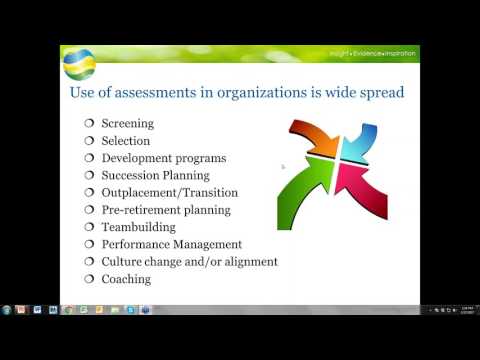
Assessment in Coaching: Unlocking Potential and Guiding Growth
🪷 THE ESSENCE
✨Assessment in spine care is the crucial process of gathering information to understand the root cause of [back pain](back-pain) or [neck pain](neck-pain), guiding effective treatment strategies.
§1Overview: Unraveling the Spine's Mysteries 🔍
When you're experiencing discomfort in your back or neck, the first and most critical step is a thorough assessment. Think of it as medical detective work! This isn't just about identifying a symptom like sciatica; it's about understanding the why behind it. A comprehensive assessment helps healthcare professionals piece together your unique health puzzle, considering everything from your lifestyle to the subtle mechanics of your vertebrae and spinal cord. It's the foundation upon which all effective treatment plans are built, ensuring that interventions are targeted and appropriate for your specific situation. Without a proper assessment, treatments can be a shot in the dark, potentially leading to prolonged discomfort or even worsening conditions. 🎯
§2The Assessment Journey: What to Expect 🗺️ [STRONG EVIDENCE]
A typical spine assessment is a multi-faceted process designed to gather a holistic view of your condition. It usually begins with a detailed patient history, where your doctor will ask about your symptoms, their onset, severity, what makes them better or worse, and any previous injuries or medical conditions. This is followed by a physical examination, which may include assessing your range of motion, muscle strength, reflexes, and sensation. They might perform specific tests like the straight leg raise test to check for nerve impingement. Depending on these initial findings, further diagnostic imaging such as X-rays, MRI, or CT scans might be ordered to visualize the internal structures of your spinal column and identify issues like a herniated disc or spinal stenosis. 🩺
§3Key Components of a Spine Assessment 🛠️ [STRONG EVIDENCE]
A thorough assessment typically involves several critical components that work together to paint a complete picture. Firstly, the subjective examination focuses on your narrative: your pain experience, functional limitations, and goals. This is where your story is heard. Secondly, the objective examination involves the hands-on physical tests, palpation, and neurological screenings that provide measurable data. This might involve checking for muscle spasms or assessing your posture. Thirdly, special tests are specific maneuvers designed to provoke or alleviate symptoms to pinpoint the affected structures, such as testing for facet joint involvement. Finally, diagnostic imaging (if necessary) provides visual confirmation or rules out certain conditions. Integrating these components allows for a precise diagnosis and a tailored rehabilitation plan. 🧠
§4When to See a Doctor: Red Flag Symptoms 🚩
While many instances of back pain resolve on their own, certain symptoms warrant immediate medical attention and a professional assessment. These are often referred to as 'red flag' symptoms and can indicate more serious underlying conditions. If you experience any of the following, please consult a healthcare professional without delay: sudden, severe unexplained pain; pain following a significant injury or trauma; new or worsening weakness in your legs or arms; loss of bowel or bladder control (known as cauda equina syndrome); unexplained weight loss; fever or chills accompanying your pain; or pain that awakens you from sleep. Early diagnosis and intervention are crucial for these more serious conditions. 🚨
§5The Future of Spine Assessment: Tech & AI 🤖 [EMERGING EVIDENCE]
The field of spine assessment is constantly evolving, with exciting advancements on the horizon. We're seeing the integration of advanced technologies like wearable sensors that can track posture and movement patterns in real-time, providing objective data beyond a single clinic visit. Artificial intelligence (AI) and machine learning are beginning to assist in analyzing complex imaging data, potentially identifying subtle patterns that human eyes might miss, and even predicting treatment outcomes. Virtual reality (VR) is also being explored for functional assessments and rehabilitation. These innovations promise to make assessments even more precise, personalized, and proactive, leading to even better outcomes for individuals with spinal conditions. The goal is to move towards truly personalized spine care! 🚀
Medical Guidance Required
This information is for educational purposes only. Spine conditions can be serious — always consult a qualified spine specialist, orthopedic surgeon, or physiatrist before starting any treatment, exercise program, or making health decisions.