Limiting Beliefs
The invisible chains that hold us back from our full potential.
Featured partners and sponsors
New advertisers get $25 in ad credits
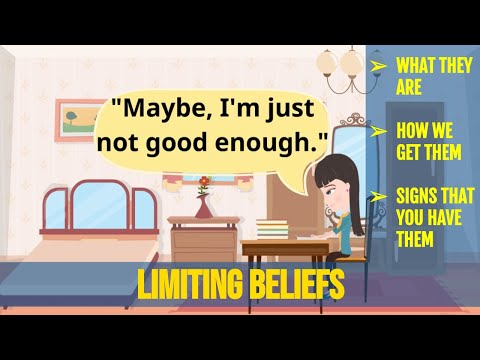
Limiting Beliefs
⚡ THE VIBE
✨Limiting beliefs are the subconscious narratives we tell ourselves that restrict our capabilities and potential, often without us even realizing it. They're the silent architects of our comfort zones, shaping our actions and outcomes in profound ways.
§1What Are Limiting Beliefs, Anyway?
Imagine your mind as a super-powerful computer 🧠. Limiting beliefs are like outdated or corrupt software programs running in the background, constantly telling you what you can't do, aren't good enough for, or shouldn't even try. These aren't just fleeting thoughts; they're deeply ingrained convictions about ourselves, others, and the world that we accept as fundamental truths. They can manifest as 'I'm not smart enough,' 'I'll never be good at public speaking,' 'Money is hard to come by,' or 'I don't deserve success.' The insidious part? We often don't question them because they feel so true to us, making them incredibly powerful in dictating our behavior and choices. Understanding these internal narratives is the first step towards rewriting them.
§2The Roots of Restriction: Where Do They Come From?
Limiting beliefs aren't born with us; they're learned. Their origins are often a fascinating, sometimes painful, journey through our personal histories. Think of your childhood: messages from parents, teachers, friends, or even media can plant these seeds. A single critical comment, a perceived failure, or a repeated negative experience can solidify into a belief system. For example, if you struggled with math in school and were told you 'just aren't a math person,' that can become a lifelong conviction, even if it's not objectively true. Cultural norms, societal expectations, and even traumatic events can also contribute to their formation. These beliefs are often a form of self-protection, designed by our subconscious to keep us safe from perceived pain or failure, even if they end up preventing growth. This process is closely related to Cognitive Biases and Self-Fulfilling Prophecies.
§3The Invisible Hand: How They Shape Our Reality
The impact of limiting beliefs is far-reaching, touching every aspect of our lives from career and relationships to health and personal development. They act as filters through which we perceive the world, selectively noticing information that confirms our existing beliefs and dismissing anything that contradicts them. This phenomenon is known as Confirmation Bias. If you believe 'all good opportunities are taken,' you'll likely overlook new ones. If you believe 'I'm not lovable,' you might subconsciously push away genuine connection. They influence our motivation, our willingness to take risks, and our resilience in the face of challenges. Essentially, they create a self-imposed ceiling on what we believe is possible for us, often leading to missed opportunities and unfulfilled potential. The good news is, once identified, these beliefs can be challenged and transformed.
§4Rewriting the Script: Challenging and Overcoming Limiting Beliefs
The journey to overcoming limiting beliefs begins with awareness. You can't change what you don't recognize. Techniques like journaling, meditation, and self-reflection can help bring these subconscious narratives to the surface. Once identified, the next step is to challenge them. Ask yourself: Is this belief truly factual? Where's the evidence for it? What would happen if I believed the opposite? Often, you'll find these beliefs are based on old assumptions, not current reality. Cognitive Behavioral Therapy (CBT) and Neuro-Linguistic Programming (NLP) are powerful psychological frameworks that offer structured approaches to identify and reframe these beliefs. Resources from organizations like the American Psychological Association or the National Institute of Mental Health provide valuable insights into these therapeutic approaches. It's about consciously choosing to adopt empowering beliefs that serve your goals, rather than hinder them.
§5The Freedom of Unbelief: Why It Matters in 2026
In a world constantly evolving with new technologies, global challenges, and unprecedented opportunities, the ability to shed limiting beliefs is more crucial than ever. The rapid pace of change demands adaptability, creativity, and a willingness to step outside our comfort zones. Holding onto old narratives of 'I can't' or 'It's impossible' can prevent individuals and even societies from innovating, collaborating, and solving complex problems. Overcoming these internal barriers isn't just about personal success; it's about fostering a mindset of growth and possibility that can drive collective progress. It's about realizing that our potential is often far greater than the stories we tell ourselves. Embracing a growth mindset, as championed by researchers like Carol Dweck, is a powerful antidote to the rigidity of limiting beliefs, opening doors to continuous learning and achievement. 🚀
Sources & References
6Limiting Beliefs
A foundational Wikipedia article that would likely cover the definition, types, and impact of limiting beliefs.
Cognitive Behavioral Therapy (CBT)
The American Psychological Association provides information on CBT, a therapeutic approach directly relevant to identifying and challenging limiting beliefs.
Self-Fulfilling Prophecy
This Wikipedia article explains how beliefs, including limiting ones, can directly influence outcomes, making them a crucial related concept.
Confirmation Bias
This Wikipedia article describes the psychological phenomenon where individuals favor information that confirms their existing beliefs, which is relevant to how limiting beliefs are maintained.
Mindset: The New Psychology of Success
Carol Dweck's influential book introduces the concept of fixed vs. growth mindsets, which directly relates to how individuals perceive their capabilities and potential, often shaped by limiting beliefs.
Breaking the Habit of Being Yourself: How to Lose Your Mind and Create a New One
Joe Dispenza's work often explores how ingrained thought patterns and beliefs create our reality and offers methods for transformation, providing a practical perspective on overcoming limiting beliefs.
Sources are AI-identified references. Always verify information with primary sources.