The Science of Coaching: Evidence-Based Practices for Personal Transformation
Unlocking human potential with the power of empirical understanding. 🧠✨
Featured partners and sponsors
New advertisers get $25 in ad credits
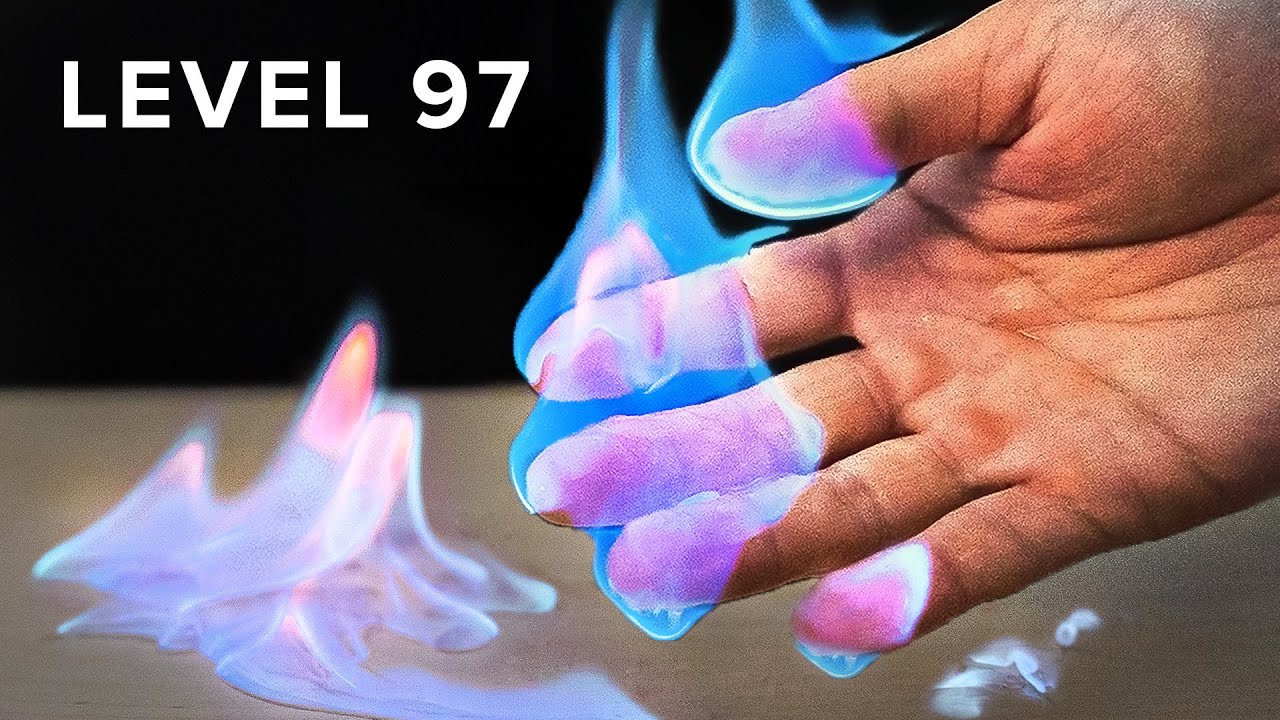
Level 1 to 100 Science Experiments
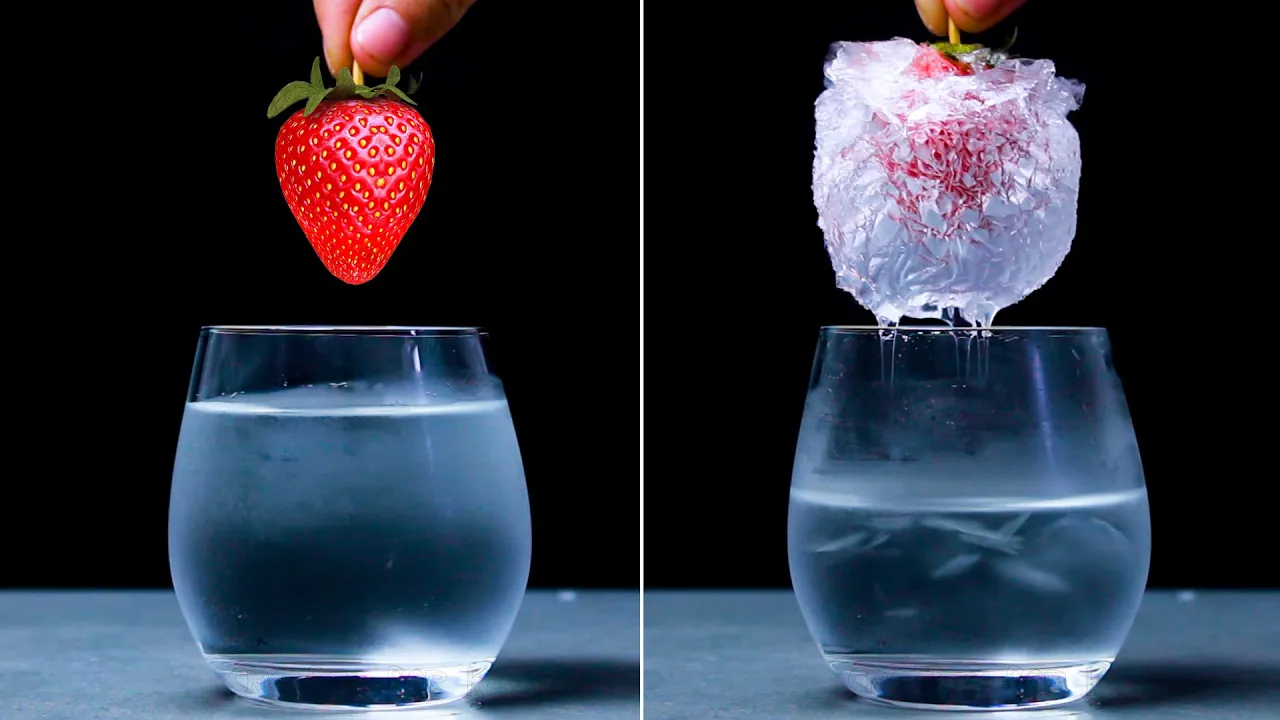
EASY SCIENCE EXPERIMENTS TO DO AT HOME
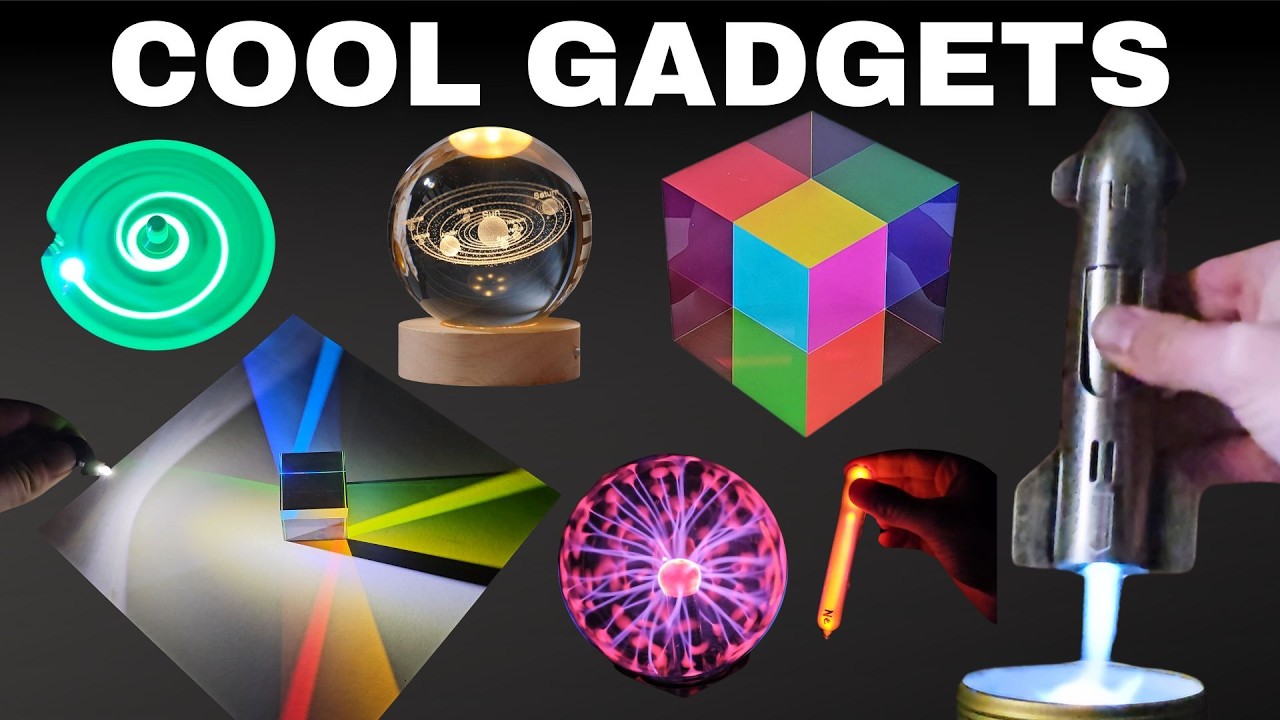
38 Cool Gifts for Science Lovers!
هذا هو تحكم حقيقي بالنار. نحن نختبر أقوى ليزر في العالم، نذيب المعدن بأصابعنا ونصنع صاروخًا ضخمًا مشتعلًا. سنبدأ بالمستوى الأول، حيث سنصنع صاروخًا صغيرًا في المنزل. هذا هو الكحول الطبي بنسبة 99%. القليل فقط. تريد فقط تغطية الجوانب. قمنا بثقب غطاء الزجاجة من المنتصف، مما قد يسبب كسر بعض الأشياء، لكن ٣، ٢، ١. يا إلهي، هذا جنون. وهذا المستوى الأول فقط. في الفيديو لاحقًا، سنقوم بصنع صاروخ مشتعل سيطير عشرة أضعاف أعلى، ومدفع دخان ضخم، والمزيد. لم أسجل لهذا الحدث. إلى المستوى التالي. التجربة التالية تُسمى إعصار النار. أحتاج منك أن تمزق هذه الإسفنجة إلى قطع صغيرة وتضعها في هذا الوعاء. لا نحتاج إلى هذا بعد الآن. هذه علبة بيوتان، وهي سائل ولاعة. أشعلها. نحن نضيف سياجًا للسماح بتدفق الهواء بحركة دائرية. وعندما ندوره، يخلق تأثيرًا شبيهًا بالإعصار العملاق، يخلق تأثير إعصار صغير لطيف. وإذا وضعنا بالونًا فوقه. يا إلهي. إلى التجربة القادمة. التالي تجربتان مع علب الألمنيوم. بالنسبة للأولى، نحتاج لمواد تنظيف الصرف، يمكن شراؤها. في متجر الأدوات. سأقوم بملء هذا الآن، وأحتاج منك كمساعد لي أن تصنفر علبة الكوكاكولا هذه. هذا جيد جدًا. لقد صنفرنا جميع الملصقات. سنضع هذا في... يذوب فورًا. هذا مجنون. التجربة التالية بين الألومنيوم والغاليوم. الغاليوم يمتاز بذوبان الألومنيوم عند تلامسهما. يمكن وضع الغاليوم أعلى الألومنيوم. لماذا لا تُوضع على السطح؟.. لسلامتك. سيحتاج الأمر بعض الوقت للذوبان، لذا سنعود لفحص التجارب لاحقًا في الفيديو. سنقوم بالتجربة داخل السيارة، وسنبدأ باستخدام صمغ إلمر. تسكب الصمغ في السيارة؟ هافو. هل تستطيع إزالته؟ علينا أن نثق بالعلم. اسكب هذا في الكوب. رجه جيدًا. لنأمل أن ينجح هذا. ماذا لو دخلت المحرك؟ إلى المحرك؟ حسنًا، لدينا الآن السلايم الجميل. يجب أن ينظف هذا سيارتنا... نظف حامل الأكواب. نظف بعض الغبار هنا. نظف الغبار. الآن دعونا ننظف عجلة القيادة... انظر، يمتص كل شيء. ذلك مقزز للغاية. لدينا سيارة جديدة تمامًا، تم تنظيفها بالكامل بالغراء. التجربة التالية هي ثعبان السكر الكربوني. هذا هو ثعباننا هنا، مزيج من صودا الخبز والسكر. احتاجك لسكب الكحول الطبي بتركيز عالٍ. جاهز؟ واحد، اثنان، ثلاثة. ثعبان السكر الكربوني. إذن السكر وصودا الخبز يتفاعلان الآن مع النار. بينما يحترق الخل...
🪷 THE ESSENCE
✨The 'Science of Coaching' isn't just a buzzword; it's the rigorous application of empirical research and validated methodologies from fields like psychology, neuroscience, and behavioral economics to elevate coaching practices and ensure tangible, sustainable client growth. It's about moving beyond intuition to embrace what *actually works* for human development. 🚀
§1What is the Science of Coaching?
At its core, the science of coaching is the commitment to grounding coaching interventions and strategies in evidence-based practices. This means drawing upon robust research from disciplines such as Cognitive Behavioral Therapy, Positive Psychology, Neuroscience, and Behavioral Economics to inform how coaches understand human behavior, motivation, and change. It moves coaching from an art form based purely on experience and intuition to a disciplined profession backed by data and replicable results. Think of it as the difference between a chef who cooks by feel versus one who understands the chemistry of ingredients – both can be great, but the latter has a deeper, more predictable mastery. 🧪
For coaches, this scientific lens provides a framework for understanding why certain techniques are effective, how the brain processes information and emotions, and what truly drives sustainable behavioral shifts. It empowers coaches to explain the 'how' and 'why' behind their methods, building greater trust and credibility with clients. It's about asking: 'What does the research say about this approach?' rather than just 'Does this feel right?'
§2Key Scientific Foundations for Coaches
Several scientific fields offer profound insights that coaches leverage daily:
- Neuroscience: Understanding brain plasticity, the role of neurotransmitters, and how habits are formed and broken (Habit Formation) allows coaches to guide clients in rewiring their brains for desired outcomes. Knowing about the prefrontal cortex's role in executive function, for example, helps coaches design effective goal-setting strategies. 🧠
- Positive Psychology: This field, pioneered by researchers like Martin Seligman, focuses on human strengths, well-being, and flourishing. Coaches integrate concepts like gratitude, resilience, flow states, and character strengths to help clients build fulfilling lives. It's about cultivating what's right with people. 😊
- Cognitive Behavioral Science: This underpins much of how coaches help clients identify and challenge limiting beliefs, cognitive distortions, and unhelpful thought patterns. Techniques from CBT, such as reframing and thought records, are powerful tools for shifting perspective and behavior. 💡
- Behavioral Economics: Insights into decision-making biases, nudges, and how environmental factors influence choices are invaluable. Coaches can help clients design their environments for success, making desired behaviors easier and undesired ones harder. For example, understanding 'present bias' helps clients plan for future rewards. 🎯
- Social Psychology: Concepts like social proof, conformity, and group dynamics inform how coaches can leverage social support and community to foster client growth and accountability.
§3Practical Applications & Coaching Questions
Integrating science into coaching isn't just academic; it's intensely practical. Coaches use these insights to:
- Design effective interventions: Instead of guessing, coaches can select strategies with proven efficacy for specific client challenges. For instance, if a client struggles with procrastination, a coach might draw on research about implementation intentions or 'temptation bundling.'
- Educate clients: Empowering clients with knowledge about their own psychology can be incredibly motivating. Explaining the 'why' behind a technique, like how mindfulness literally changes brain structure, increases client buy-in. 🧘♀️
- Measure progress: Scientific coaching emphasizes measurable outcomes. Coaches help clients define clear, quantifiable goals and track progress using validated assessments where appropriate. 📊
Coaching Questions Rooted in Science:
- "Based on what we know about how habits form, what's one small, consistent action you can commit to daily that aligns with your goal?" (Neuroscience/Behavioral Science)
- "When you consider your core strengths, how might you leverage one of them to approach this challenge differently?" (Positive Psychology)
- "What's the evidence for that belief? If a neutral observer looked at the facts, what might they conclude?" (Cognitive Behavioral Science)
- "Knowing that our environment heavily influences our choices, how can you 'nudge' yourself towards your desired outcome this week?" (Behavioral Economics)
§4The Future of Evidence-Based Coaching
The landscape of coaching is continuously evolving, with a growing emphasis on professionalization and ethical practice. The scientific approach is central to this evolution, pushing the field towards greater rigor and accountability. As technology advances, we're seeing more integration of biofeedback, AI-driven insights, and personalized interventions informed by genetic predispositions or real-time physiological data. 🤖📈
Organizations like the International Coaching Federation and the European Mentoring & Coaching Council increasingly advocate for research-backed methodologies. The future of coaching will likely involve even closer collaboration between academic researchers and practicing coaches, leading to more sophisticated tools and a deeper understanding of the complex interplay between human potential and effective guidance. This ensures that coaching remains a powerful, credible force for positive change in a world hungry for genuine transformation. 🌍
Sources & References
6International Coaching Federation (ICF)
The leading global organization dedicated to advancing the coaching profession, offering insights into professional standards and research in coaching.
Positive Psychology
A Wikipedia article providing a comprehensive overview of positive psychology, a key discipline informing the science of coaching.
Cognitive Behavioral Therapy
A Wikipedia article detailing Cognitive Behavioral Therapy, a foundational methodology often applied in coaching for behavioral change.
Neuroscience
A Wikipedia article explaining the field of neuroscience, which provides understanding of brain function relevant to habit formation and behavior.
Behavioral Economics
A Wikipedia article covering behavioral economics, offering insights into decision-making biases and human behavior that coaches leverage.
American Psychological Association (APA)
The primary professional organization for psychologists in the United States, offering a wealth of research and information on human behavior and development.
Sources are AI-identified references. Always verify information with primary sources.